

Understanding Brand Loyalty
Brand loyalty is the extent to which a customer consistently prefers and purchases a specific brand over its competitors. This loyalty is built over time as customers develop a deep connection with the brand, often driven by positive experiences, emotional attachment, and a sense of trust. Unlike price-driven loyalty, which can be easily swayed by discounts or promotions, brand loyalty is more resilient and can withstand occasional market fluctuations or competitive pressures.
The foundation of brand loyalty lies in the brand's ability to meet or exceed customer expectations consistently. When a brand delivers on its promises and provides value that resonates with customers, it builds trust and credibility. Over time, this trust evolves into loyalty, where customers are not only willing to repurchase but also to recommend the brand to others.
In today’s digital age, where consumers have access to a wealth of information and alternatives at their fingertips, building brand loyalty has become more challenging. However, it is also more critical than ever. Loyal customers are less likely to be influenced by competitors and more likely to provide valuable feedback, engage with the brand on social media, and participate in loyalty programs
The Benefits of Strong Brand Loyalty
Increased Customer Retention
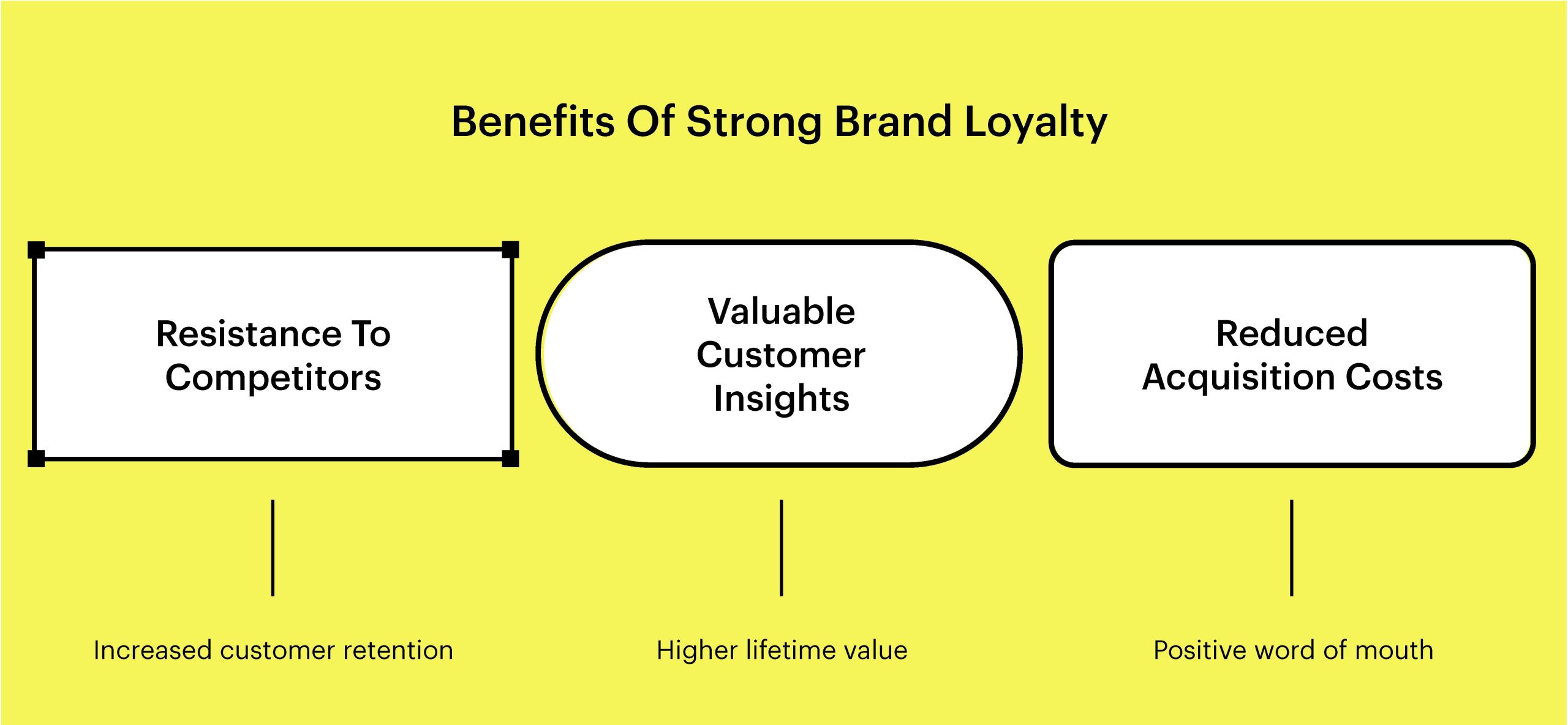
One of the most significant benefits of brand loyalty is increased customer retention. Loyal customers are more likely to continue purchasing from a brand over time, reducing the need for constant marketing efforts to attract new customers. This ongoing relationship with existing customers leads to a more predictable and stable revenue stream.
- Reduced Acquisition Costs: Acquiring new customers is often more expensive than retaining existing ones. Loyal customers help reduce the overall customer acquisition cost, as they continue to purchase without requiring extensive marketing efforts.
Higher Lifetime Value
The lifetime value (LTV) of a customer refers to the total revenue a business can expect to earn from a customer over the course of their relationship. Loyal customers typically have a higher LTV because they make repeated purchases, often spend more per transaction, and are more likely to try new products or services offered by the brand.
Valuable Customer Insights
Loyal customers are more likely to provide feedback and engage with the brand, offering valuable insights that can be used to improve products, services, and the overall customer experience. This feedback is essential for continuous improvement and innovation.
Positive Word-of-Mouth and Referrals
Loyal customers often become advocates for the brand, sharing their positive experiences with friends, family, and colleagues. This word-of-mouth marketing is incredibly powerful as it is seen as more trustworthy and credible than traditional advertising.
- Organic Growth:Positive word-of-mouth can lead to organic growth, as satisfied customers refer others to the brand. This not only helps attract new customers but also enhances the brand’s reputation.
Resistance to Competitors
Customers with strong brand loyalty are less likely to be swayed by competitors’ offerings, even if they are priced lower or offer similar features. This resistance provides the brand with a competitive advantage, allowing it to maintain market share even in a highly competitive environment.
Strategies to Build and Maintain Brand Loyalty
Building and maintaining brand loyalty requires a strategic approach that focuses on delivering consistent value, engaging customers, and creating positive experiences.
Deliver Consistent Quality and Value
The foundation of brand loyalty is built on the consistent delivery of quality products and services. Customers need to trust that they will receive the same level of excellence every time they interact with the brand. This consistency builds credibility and reinforces the customer’s decision to remain loyal.
- Quality Assurance: Implement rigorous quality control processes to ensure that every product or service meets the brand’s high standards. Consistency in quality is key to maintaining customer trust.
- Value Proposition: Clearly communicate the value that your brand offers. Whether it’s superior quality, innovative features, or exceptional customer service, make sure that your customers understand what sets your brand apart.
Create a Personalized Experience
Personalization is a powerful tool for building brand loyalty. By tailoring the customer experience to individual preferences and behaviors, brands can create a more meaningful and relevant interaction that resonates with customers.
- Data-Driven Personalization: Use customer data to personalize interactions, such as recommending products based on past purchases or sending personalized offers. Personalization shows customers that the brand understands and values their unique needs.
- Loyalty Programs: Develop loyalty programs that reward customers based on their preferences and behaviors. Personalized rewards and offers can enhance the customer’s connection to the brand.
Engage Customers Through Multiple Channels
Customer engagement is a critical component of brand loyalty. Engaging customers through multiple channels, such as social media, email, and in-store experiences, helps keep the brand top-of-mind and strengthens the relationship.
Provide Exceptional Customer Service
Customer service plays a pivotal role in building brand loyalty. Exceptional customer service can turn a one-time buyer into a loyal customer by providing a positive and memorable experience.
Build an Emotional Connection
Emotional connections are a powerful driver of brand loyalty. Brands that connect with customers on an emotional level are more likely to inspire long-term loyalty and advocacy.
The Role of Customer Engagement in Brand Loyalty
Customer engagement is a key factor in building and maintaining brand loyalty. Engaged customers are more likely to be loyal because they feel connected to the brand and invested in its success.
Fostering a Sense of Community
Customer engagement helps build a sense of community around the brand. When customers feel like they are part of a community, they are more likely to remain loyal and actively participate in the brand’s activities.
- Social Media Communities: Create and nurture social media communities where customers can connect with each other and with the brand. These communities can serve as platforms for sharing experiences, providing feedback, and fostering loyalty.
- Events and Experiences: Host events, both online and offline, that bring customers together and strengthen their connection to the brand.
Encouraging Two-Way Communication
Engagement is not just about the brand communicating with customers; it’s also about encouraging customers to share their thoughts, feedback, and experiences. Two-way communication helps build trust and demonstrates that the brand values its customers’ opinions
Personalized Engagement
Personalized engagement goes beyond generic communication and involves tailoring interactions to the individual preferences and behaviors of each customer. Personalized engagement helps create a more relevant and meaningful experience.

Case Studies of Brands with High Customer Loyalty
Amazon: Customer-Centric Innovation
Amazon has consistently demonstrated a commitment to customer-centric innovation, which has played a significant role in building and maintaining high levels of customer loyalty.
- Prime Membership:Amazon Prime is a key driver of customer loyalty, offering members benefits such as free shipping, exclusive deals, and access to streaming services. The convenience and value provided by Prime encourage repeat purchases and long-term loyalty.
- Personalization: Amazon’s advanced algorithms personalize the shopping experience by recommending products based on past purchases, browsing history, and customer preferences.
Starbucks: Creating a Lifestyle Brand
Starbucks has successfully created a lifestyle brand that goes beyond just selling coffee. The company’s focus on customer experience, community, and personalization has fostered strong customer loyalty.
- Starbucks Rewards: The Starbucks Rewards program is a central component of the brand’s loyalty strategy. Customers earn points (Stars) for every purchase, which can be redeemed for free drinks and food.
- Community Engagement: Starbucks engages with its customers through social initiatives and community involvement. The brand’s commitment to sustainability, ethical sourcing, and social responsibility resonates with its customers, fostering loyalty and advocacy.
Conclusion
Building brand loyalty is essential for achieving long-term success in today’s competitive marketplace. By delivering consistent quality, personalizing the customer experience, engaging customers across multiple channels, and providing exceptional customer service, brands can cultivate strong loyalty that leads to increased customer retention, higher lifetime value, and positive word-of-mouth.
As demonstrated by brands like Amazon and Starbucks, effective brand loyalty strategies can transform customers into advocates who not only continue to purchase but also help attract new customers. To build and maintain brand loyalty, it’s important to focus on creating meaningful connections with customers, listening to their feedback, and continuously improving the customer experience.
To strengthen brand loyalty you can start by evaluating your current strategies and identifying opportunities to enhance customer engagement and satisfaction, or reach out to a branding agency. With a well-executed loyalty strategy, you can build a loyal customer base that drives sustainable growth and success for your brand.


