

Why Brand Photography Is Essential for Visual Identity and Campaign Consistency
Photography often forms the first impression in a customer journey. Before a user reads a word, imagery communicates tone, mood, and intent. In omnichannel campaigns, cohesive visuals unify brand presence across formats such as social media, digital ads, websites, and print. Consistent visual identity is a competitive advantage. Leading brands demonstrate this clearly:
- Aesop uses neutral tones, natural textures, and soft lighting to express calm luxury.
- Glossier applies intimate, user-generated-like photography to reinforce accessibility and confidence.
- Nike uses bold, high-energy compositions to echo movement and empowerment.
These brand photography strategies don’t just look good; they build lasting recognition and brand equity.
Key Elements of a Strategic Brand Photography System
To support your brand identity across marketing efforts, brand photography must be intentional and systemized. These five pillars guide an effective strategy:
Define Visual Tone and Brand Traits
Does your brand feel warm and human, sleek and futuristic, or grounded and natural? Your photography should reflect this tone. Identify 3–5 brand traits (e.g., bold, elegant, approachable) and let them guide visual decision-making across all shoots.
Set Color and Lighting Rules
Color grading and lighting affect emotional response and brand cohesion. Whether it’s diffused daylight, dramatic shadows, or bright studio clarity, maintaining a consistent lighting and color treatment helps solidify brand recognition.
Establish Framing and Composition Guidelines
Define patterns for framing, such as close-up detail shots, negative space, symmetry, or candid angles, that reinforce your brand identity. Consistency in camera angles and composition helps users intuitively recognize your brand, even without a logo.
Art Direct with Brand Alignment
Props, settings, models, and styling should all serve the brand story. A pet food brand might use home-style environments and natural light to feel comforting and familiar, while a fintech company might opt for sleek backdrops and structured compositions.
Plan for Product vs. Lifestyle Use Cases
Different platforms and formats require different styles. Use lifestyle shots to build emotional resonance and product shots to provide clarity and detail. A good brand photography strategy defines when and where each style works best.
Operationalizing a Brand Photography System
A brand photography strategy only works if it can be executed consistently across teams, partners, and regions. To move from creative intent to repeatable results, photography guidelines must be operational, accessible, and enforceable within everyday workflows.
Key execution principles include:
- Translate strategy into visual playbooks: Move beyond high-level mood descriptions by documenting concrete examples of approved lighting styles, compositions, crops, and use cases. Visual references reduce interpretation gaps and speed up production.
- Standardize onboarding for external partners: Photographers, agencies, and freelancers should receive the same photography guidelines, sample references, and do-and-don’t examples before any shoot begins.
- Define review and approval checkpoints: Establish clear stages for concept review, test shots, and final asset approval to ensure alignment before full production.
- Centralize asset management: Maintain a shared, organized library where approved images are tagged by use case, channel, and campaign. This prevents off-brand reuse and ensures consistency over time.
- Enable regional flexibility without fragmentation: Allow adaptations for local markets, but anchor them to the same core lighting, tone, and composition rules to preserve brand recognition globally.
When execution is systemized, photography remains cohesive even as teams scale, campaigns multiply, and creative contributors change.
Optimizing Photography Across Platforms
Adapt your brand photography without losing consistency across:
- Social Media: Use spontaneous, emotive imagery with movement or personality to drive shareability.
- Website: Support structured navigation and hierarchy with clean, polished visuals.
- Print and Outdoor: Prioritize resolution, lighting accuracy, and focal clarity to stand out at scale.
Case Study: Fuego (Thailand)
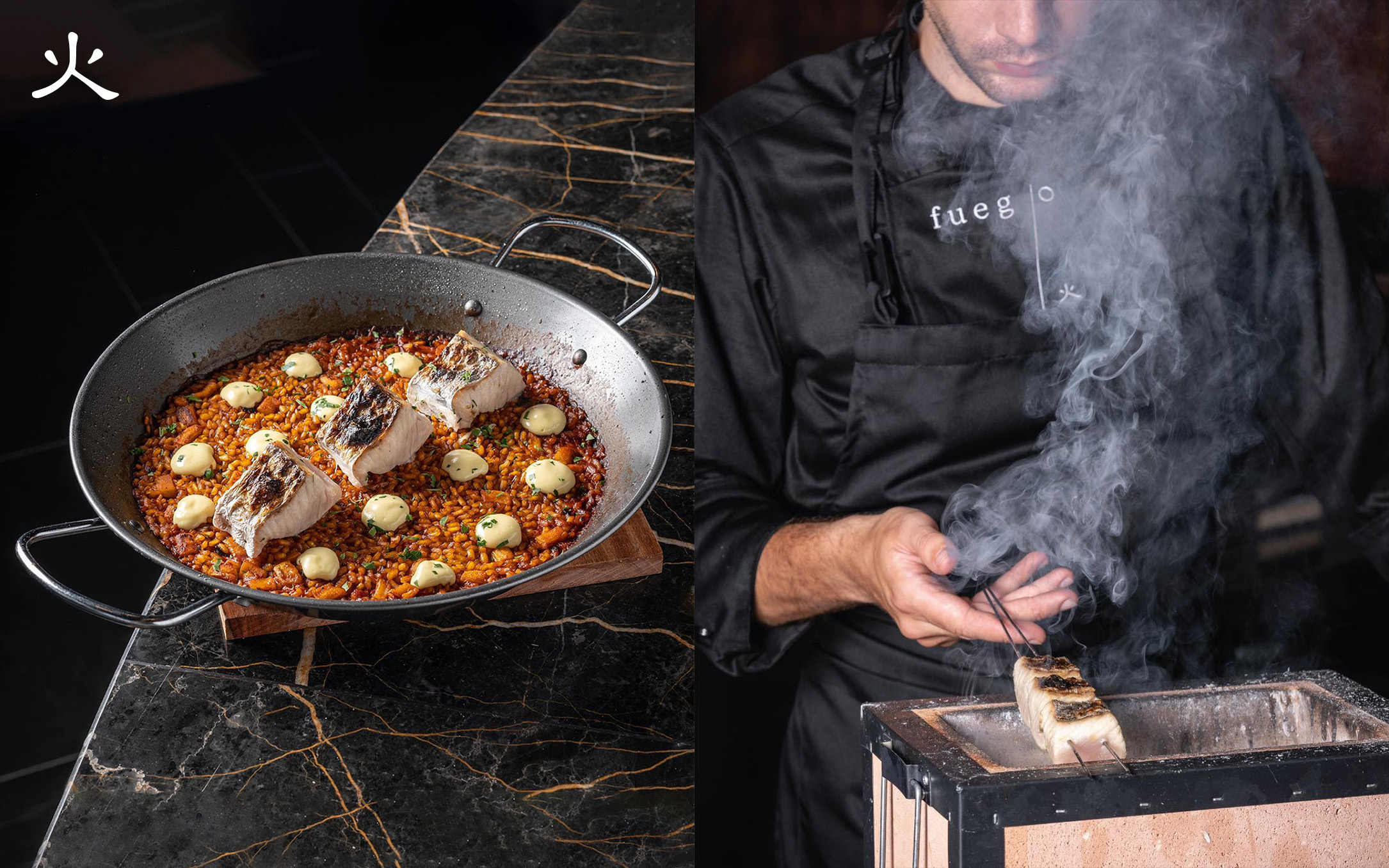
Fuego, a restaurant brand in Bangkok, partnered with Appart_ for the complete branding of their dining concept. Our team defined the brand identity and then crafted the brand photography direction to align seamlessly with that foundation. The visuals use dramatic shadows, bold color contrast, and close-up shots of flames or plated dishes, creating a tone that feels rich, energetic, and theatrical. This consistency was carried through social content, digital menus, website and more, reinforcing Fuego’s story and strengthening recall in a competitive F&B market.
Evolving Your Photography Style Without Losing Cohesion
Brand photography should evolve to reflect trends, seasonal campaigns, and new initiatives, but maintaining visual identity and cohesion is essential.
1. Build a Visual Style Guide
Document your brand’s tone, color palette, lighting, framing, composition, and editing rules. Include examples for lifestyle, product, and social media imagery to ensure every creative produces visuals aligned with your brand.
2. Review and Update Visual Assets
Audit photo libraries regularly to remove outdated or off-brand images. Refresh your library with new content that maintains the core visual identity while keeping campaigns relevant and engaging.
3. Prioritize Original Photography
Original images reinforce authenticity, strengthen recognition, and showcase your brand’s personality. Custom photography ensures that every element, including lighting, styling, and composition, supports your visual identity.
Conclusion
Brand photography is more than aesthetics; it is a strategic framework that defines how audiences perceive, trust, and remember your brand. By setting clear principles for tone, lighting, composition, and mood, photography becomes an extension of your visual language and brand values. When applied consistently across digital platforms, packaging, and campaigns, it builds recognition and emotional connection that strengthens long-term brand loyalty.
At Appart_, a leading branding agency in Thailand, we view brand photography and video as integral parts of a brand’s communication system. We ensure that every image supports the brand’s storytelling and strategic intent, aligning creativity with clarity and consistency. As campaigns evolve, your photography style can adapt, but cohesion must remain central. A well-defined brand photography system ensures that every visual contributes to a unified narrative, helping your brand stand out in competitive markets while leaving a lasting impression.
FAQs on Brand Photography Strategy
How does brand photography impact marketing campaigns?
It creates alignment between message and visuals, improves memorability, and strengthens brand identity across every channel.
What should be included in a brand photography style guide?
Elements like color grading, lighting style, tone, model/styling direction, composition preferences, and editing examples.
Can I use stock images in my brand photography strategy?
Stock can be used selectively if styled to match your visual system, but original content is more authentic and effective for long-term brand building.
What are the benefits of a consistent photography style across campaigns?
Improved brand recognition, higher perceived professionalism, and more seamless cross-channel experiences.
How can a branding agency help with consistent brand photography?
We Appart_, as a leading branding agency in Bangkok, turn photography into a strategic system anchored in your brand’s visual identity. Our teams define lighting, composition, color palettes, and props, then codify these into practical toolkits and asset libraries for social media, websites, ads, packaging, and print. Every asset is designed to maintain cohesion across campaigns, reinforce recognition, and align with your overall brand strategy.

