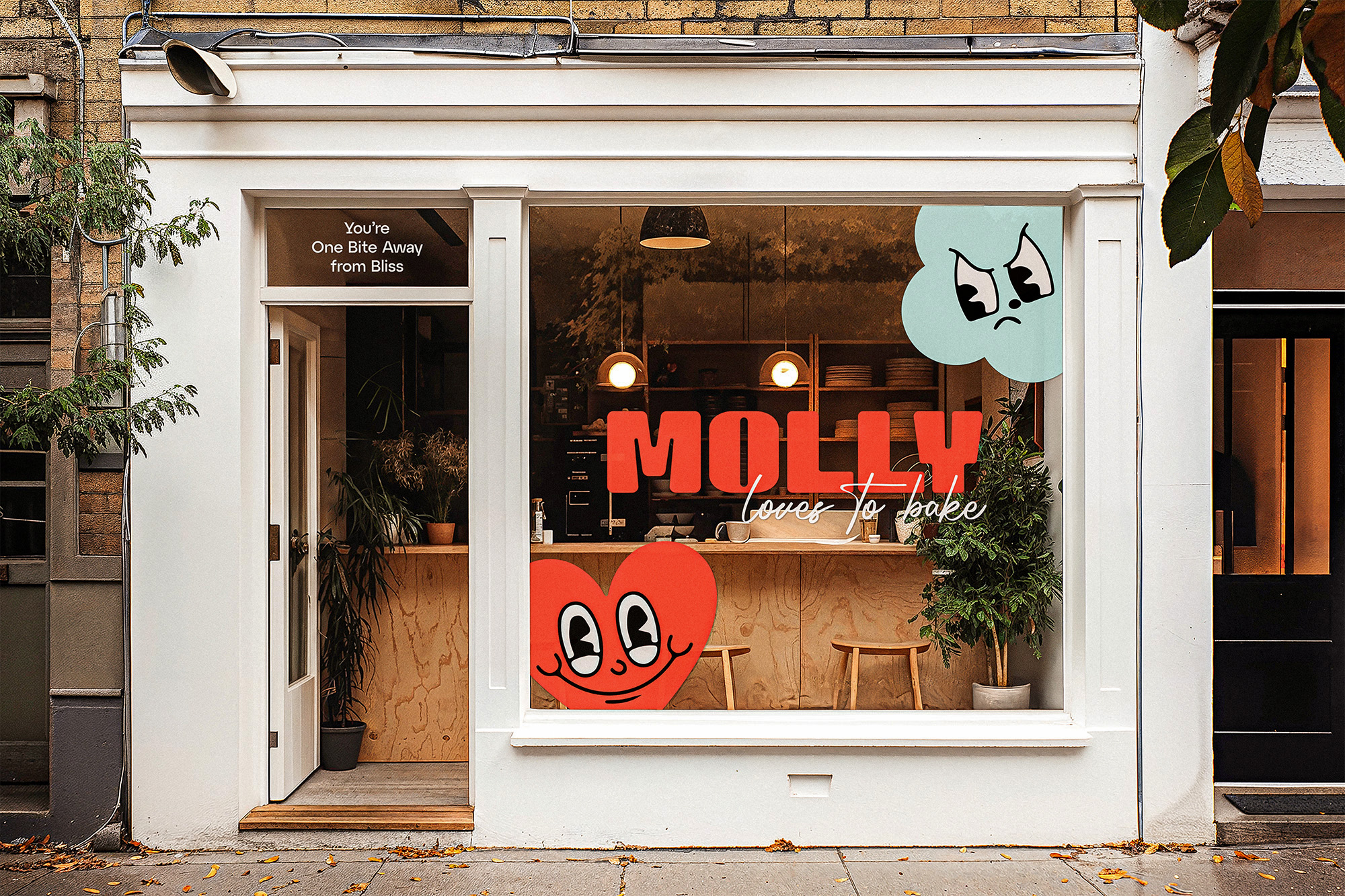
Understanding Graphics and Design
It encompasses the art of conveying ideas through visual means, complemented by expertise in graphic design software. Graphic designers employ techniques of visual hierarchy and page layout, using typography and images to cater to users' needs. This discipline includes various practices and specializations, from graphic design to web design, user experience (UX) design, and brand identity.
The Power of Visual Communication
Visual communication involves making information and ideas accessible to an audience. Imagine trying to grasp a complex concept or brand story without any graphical support—it’s an uphill battle. Effective use of graphics and design simplifies complexity and adds excitement to the mundane. Research indicates that people retain 65% of visual information three days later, underscoring the impact of visual communication on memory retention. Through infographics, images, and other visual elements, brands can enhance their storytelling and make their messages more memorable.

Components of Effective Design
1. Graphic Design:
Graphic design is the process of visual communication and problem-solving through the use of typography, photography, and illustration. It incorporates graphic layout techniques and, at times, the integration of these elements to convey ideas or stories. A skilled graphic designer uses these elements to create compelling visuals that resonate with the target audience. This includes collateral and editorial design, which are crucial for maintaining a cohesive brand image across different media.
2. Web Design:
In essence, web design involves determining how websites look and function. All elements, from the layout and color scheme to the text size and style, fall under web design. It aims to create a visually appealing and user-friendly online presence. The design must ensure optimal user engagement, leveraging color theory, typography, and layout to enhance the user experience. Effective web design also considers brand guidelines to maintain consistency across digital platforms.
3. User Experience (UX) Design:
User experience design is the method of creating products that improve the quality of interaction between users and the product or service. It is concerned with all aspects of the process by which a user integrates the product, including branding, design, usability, and function. A well-designed UX can significantly enhance customer satisfaction and loyalty.
The Role of Graphics and Design in Brand Innovation
Graphics and design play a pivotal role in brand innovation, influencing a brand's ability to adapt and thrive in a changing market. Here’s how:
1. Creating a Strong Visual Identity
A well-crafted logo, consistent color palette, and cohesive visual identity elements build a strong brand identity that resonates with customers. This includes thoughtful typography, layout, and typface.
2. Enhancing User Engagement
Interactive and aesthetically pleasing designs provide users with an impulse for action, increasing the rate of engagement. This can include elements like motion graphics, user-friendly interfaces, and compelling visuals. By integrating design principles with a clear understanding of the target audience, brands can create more engaging and interactive experiences. layout, and Video & brand motions are particularly effective in capturing and retaining audience attention.
3. Facilitating Clear Communication
Effective design facilitates the digestion and comprehension of information, thus delivering the idea to the target audience in the best way. Visual storytelling, infographics, and clear design principles are crucial here. Good design reduces barriers to understanding and helps convey complex information more efficiently.
The Importance of Color Theory and Typography
Color theory and typography are critical in graphic design. The right color palette evokes emotions and shapes perceptions, while well-chosen typography enhances readability and reinforces brand personality.

Leveraging Graphics and Design for Marketing Success
In marketing, graphics and design capture attention and convey key messages. Visual branding is essential in creating standout advertisements. Through consumer insights, designers can tailor visuals to meet audience preferences, enhancing marketing efforts and fostering brand loyalty.
Implementing Design Thinking
Design thinking is a human-centered innovation approach that integrates user needs, technological possibilities, and business requirements. It involves empathy for users, problem definition, ideation, prototyping, and testing, ensuring that designs meet user needs and business goals
The Role of Printing & Production and Environmental Design
While digital media is vital, printing & production also play a key role in brand identity. High-quality print materials leave lasting impressions, and environmental design creates immersive brand experiences in physical spaces, contributing to a cohesive brand strategy across digital and physical realms.
Conclusion
Graphics and design go beyond aesthetics; they forge meaningful connections between brands and audiences. By mastering design principles, you can elevate your brand, engage your audience, and drive innovation. With Appart_ embrace the power of visual communication and design thinking to unlock new opportunities and stay competitive.
Ready to transform your brand with cutting-edge graphics and design? Let's start a conversation today and discover how we can create a compelling visual project for your brand.