

The Importance of Brand Positioning in Competitive Markets
In a crowded market where countless brands offer similar products or services, effective brand positioning becomes a critical differentiator. Without a clear and compelling brand positioning strategy, even the most well-designed products can struggle to gain traction. Here’s why branding and positioning are vital in competitive markets:
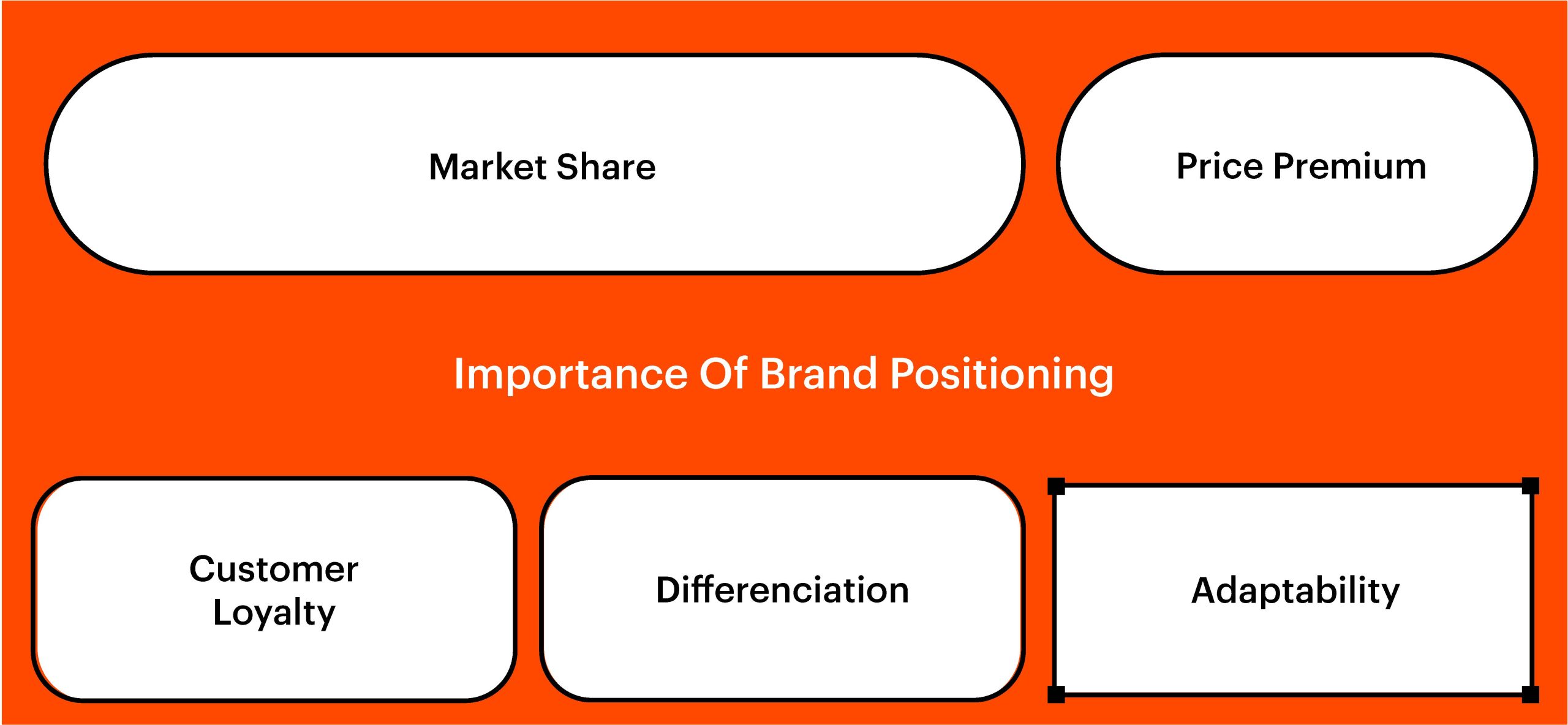
- Differentiation: In saturated markets, products often look, feel, and perform similarly. Brand positioning helps differentiate your brand by highlighting unique benefits or attributes that resonate with your target audience. This differentiation is crucial for attracting attention and establishing a distinct identity in the marketplace.
- Customer Loyalty: Brands with strong brand positioning are more likely to foster customer loyalty. When customers clearly understand and connect with what a brand stands for, they are more likely to make repeat purchases and become brand advocates. This loyalty not only drives sales but also reduces the cost of customer acquisition over time.
- Price Premium: A well-executed brand positioning strategy can command a price premium. When customers perceive a brand as offering superior value—whether through quality, innovation, or status—they are often willing to pay more for its products or services. This price advantage can significantly enhance profitability.
- Market Share: Effective branding and positioning can lead to increased market share. By clearly communicating your brand's unique value proposition, you can attract a larger segment of your target market, outperform competitors, and secure a more substantial share of the market.
- Adaptability: In dynamic markets, where consumer preferences and competitive landscapes are constantly evolving, strong brand positioning provides a foundation for adaptability.A well-positioned brand can more easily pivot or expand its offerings while maintaining its core identity, ensuring long-term relevance and success.
Techniques for Effective Brand Positioning
Crafting an effective brand positioning strategy requires a comprehensive approach that integrates market research, consumer insights, and creative communication. Here are some key techniques that can help brands position themselves effectively in the market:
Understanding Your Target Audience
The foundation of any successful brand positioning effort is a deep understanding of your target audience. This involves identifying who your ideal customers are, what they need, and how your brand can meet those needs better than anyone else.
- Market Segmentation: Segment your market into distinct groups based on demographics, psychographics, behavior, and needs. Tailor your brand positioning strategy to resonate with these specific audience segments.
- Customer Personas: Develop detailed customer personas that represent the different segments of your audience. These personas should include preferences, pain points, buying behavior, and what they value most in a brand.
- Consumer Insights: Use market research tools and data analytics to gather insights into consumer behavior and preferences. Surveys, focus groups, and social media listening can provide valuable information that informs your brand positioning.
Defining Your Unique Value Proposition (UVP)
Your Unique Value Proposition (UVP) is the core message that communicates the unique benefits your brand offers to customers. It answers the question: "Why should customers choose your brand over others?"
- Clarity and Simplicity: Your UVP should be clear, concise, and easy to understand. It should quickly convey what makes your brand different and why it’s the best choice for your target audience.
- Focus on Benefits: Highlight the specific benefits your brand offers, not just features. For example, emphasize how a product’s durability will enhance the customer’s life or solve a specific problem.
- Differentiation: Ensure your UVP sets your brand apart from competitors. Differentiation can be based on product quality, innovation, customer service, or brand values.
Leveraging Emotional Branding
Emotional branding involves creating a brand narrative that resonates with the emotions of your target audience. This approach is powerful because emotions often drive consumer decisions more than rational factors.
- Brand Storytelling: Develop a compelling brand story that connects with your audience on an emotional level. This story should reflect your brand's values, mission, and the impact you aim to have on your customers' lives.
- Emotional Triggers: Identify the emotions most relevant to your brand and audience, such as trust, excitement, or nostalgia. Use these emotional triggers in your messaging, imagery, and customer interactions.
- Consistency: Ensure your emotional branding is consistent across all channels and touchpoints. Whether through advertisements, social media, or customer service, every interaction should reinforce the emotional connection you aim to build.
Ensuring Consistency Across All Touchpoints
Consistency is key to effective brand positioning. Every aspect of your brand, from visual identity to customer service, should align with your brand positioning strategy to create a cohesive brand experience.
- Visual Identity: Your logo, color scheme, typography, and other visual elements should reflect your brand's positioning and be used consistently across all platforms.
- Messaging: The tone, style, and content of your messaging should be uniform across all communication channels, including websites, social media, advertising, and packaging.
- Customer Experience: Ensure the customer experience aligns with your brand's positioning. For example, if your brand is positioned as luxury, every customer interaction should reflect a premium experience.
Adapting to Market Changes
The market environment is constantly evolving, and so should your brand positioning. Staying agile and responsive to market changes ensures your brand remains relevant and competitive.
- Monitor Market Trends: Keep a close eye on market trends, consumer behavior shifts, and emerging technologies. This will help you anticipate changes and adjust your brand positioning strategy accordingly
- Feedback Loops: Establish feedback loops with your customers to continuously gather insights on how your brand is perceived and where improvements can be made. This can be done through surveys, reviews, and social media engagement.
- Innovation: Don’t be afraid to innovate and evolve your brand positioning as needed. Whether it's introducing new products, rebranding, or shifting your market focus, staying adaptable is key to long-term success.
Analyzing Competitor Positioning Strategies
A thorough understanding of how your competitors position themselves in the market is essential for developing a successful brand positioning strategy. Competitor analysis not only helps you identify your own strengths and weaknesses but also uncovers opportunities to differentiate your brand.

Evaluating Competitor Value Propositions
One of the first steps in analyzing competitors is to evaluate their value propositions. This involves understanding what they offer, how they communicate their benefits, and how these resonate with their target audience.
- Identify Key Competitors: Start by identifying your main competitors. These could be brands offering similar products or services, or those targeting the same audience segments. This identification is essential for effective branding and positioning.
- Analyze Their UVPs: Look at the unique value propositions (UVPs) of these competitors. What promises are they making to their customers? How do they differentiate themselves? This analysis will help you identify gaps in the market where your brand positioning can stand out.
- Assess the Effectiveness: Evaluate how effective these UVPs are in attracting and retaining customers. Consider factors such as customer reviews, brand loyalty, and market share, which are all indicators of strong or weak brand positioning.
Examining Competitor Brand Messaging
Competitor messaging analysis is a vital component of any brand positioning strategy. It involves examining the tone, style, and content of their communications to gain insights into how they position their brand and connect with their audience.
- Messaging Channels: Examine the different channels your competitors use to communicate their brand message, such as social media, email marketing, website content, and advertisements. Understanding these channels can help refine your branding and positioning approach.
- Tone and Style: Analyze the tone and style of their messaging. Are they formal or casual? Inspirational or pragmatic? Understanding these nuances can help you position your brand in a way that resonates differently with the audience.
- Consistency: Evaluate how consistent competitors are with their messaging across different channels. Inconsistencies can be a sign of weak brand positioning and present an opportunity for your brand to appear more reliable.
Identifying Target Audience Overlaps and Gaps
Understanding the audience your competitors are targeting is crucial for identifying opportunities to reach underserved segments or differentiate your brand through effective branding and positioning.
- Audience Segmentation: Analyze the audience segments that your competitors focus on. This could involve looking at their advertising, social media following, and customer demographics to inform your own brand positioning strategy.
- Underserved Markets: Identify any market segments that are underserved by competitors. These could be niche groups that are not fully addressed by current offerings, presenting an opportunity for your brand to position itself as the go-to choice for these customers.
- Differentiation Opportunities: Even within the same target audience, there are opportunities to differentiate. For example, if your competitors focus on affordability, your brand could position itself on quality or luxury, appealing to the same audience with a different value proposition
Case Studies of Successful Brand Positioning
Learning from brands that have successfully positioned themselves in competitive markets can provide valuable insights and inspiration for your own brand positioning strategy. Below are two in-depth case studies that highlight how Apple and Nike have effectively implemented brand positioning to dominate their respective industries.
Apple: Innovation and Simplicity
Apple is a prime example of a brand that has masterfully positioned itself in a highly competitive market. The company’s brand positioning revolves around three core principles: innovation, simplicity, and premium quality. These values are not only embedded in Apple’s products but also in its marketing, design, and overall brand experience.
- Value Proposition: Apple’s value proposition is centered on offering innovative, high-quality products that are user-friendly. The brand's approach to branding and positioning ensures that it appeals to a diverse consumer base—from tech enthusiasts who appreciate cutting-edge technology to everyday users who value simplicity and reliability. Apple's products, such as the iPhone, MacBook, and iPad, are designed to be intuitive, making them accessible to a wide range of consumers, thereby reinforcing its brand positioning as a leader in user-friendly technology.
- Emotional Connection: Apple has successfully created a deep emotional connection with its customers by positioning its products as more than just tools; they are enablers of creativity, innovation, and self-expression. The iconic "Think Different" campaign is a testament to Apple’s brand positioning strategy. This campaign encouraged consumers to see Apple as a brand that empowers them to achieve more, whether in their professional lives or personal endeavors. This emotional connection has cultivated a loyal customer base that sees Apple not just as a brand, but as a part of their identity.
- Consistency: One of the pillars of Apple’s success in brand positioning is its unwavering consistency in design, messaging, and customer experience. Every aspect of the Apple brand, from the sleek and minimalist design of its products to the clean and simple aesthetic of its marketing campaigns, aligns perfectly with its brand positioning strategy. This consistency not only reinforces Apple’s identity as a premium and innovative brand but also ensures that every consumer touchpoint—from the Apple Store experience to product packaging—reflects the brand’s core values. Over the years, this consistency has built strong brand equity, making Apple one of the most recognizable and respected brands globally.
Nike: Empowerment and Performance
Nike is another exemplary case of successful brand positioning. The brand has strategically positioned itself as more than just an athletic apparel company; it is a global symbol of perseverance, empowerment, and high performance. Nike’s branding and positioning have not only propelled it to the top of the sportswear industry but have also made it a cultural icon.
- Value Proposition: Nike’s value proposition is centered around offering high-performance athletic gear that helps athletes of all levels—professional or amateur—achieve their full potential. This value proposition is underpinned by Nike’s relentless innovation in product design and technology. Whether it's the development of cutting-edge materials like Flyknit or the introduction of advanced footwear technologies such as Air Max, Nike’s focus on innovation supports its brand positioning as the go-to brand for performance and excellence in sportswear.
- Emotional Branding: One of the most powerful elements of Nike’s brand positioning strategy is its use of emotional branding. The “Just Do It” campaign is one of the most iconic examples of this approach. By tapping into universal themes of motivation, perseverance, and self-belief, Nike has created a message that resonates with a broad audience. This campaign does not just speak to athletes; it speaks to anyone who faces challenges and needs the motivation to overcome them. This broad emotional appeal has made “Just Do It” more than just a slogan; it’s a mantra that inspires people around the world, reinforcing Nike’s position as a brand that champions empowerment and determination.
- Target Audience: While Nike’s primary audience includes athletes and fitness enthusiasts, its brand positioning extends beyond this demographic. Nike’s empowering message appeals to anyone who values performance, resilience, and personal growth. This inclusive approach to branding and positioning has allowed Nike to maintain and even expand its market leadership. By appealing to diverse audiences—ranging from professional athletes to everyday individuals striving to improve their fitness—Nike has solidified its status as a leading global brand. This broad appeal, combined with consistent innovation and powerful emotional branding, ensures that Nike remains at the forefront of the sportswear industry.
Conclusion: Taking Your Brand Positioning to the Next Level
In a market saturated with options, effective brand positioning is the key to standing out and achieving lasting success. By understanding your target audience, defining a compelling value proposition, and analyzing competitor strategies, you can create a brand positioning strategy that resonates with consumers and clearly differentiates your brand from the competition.
Remember, brand positioning is not a one-time effort but an ongoing process that requires continuous refinement and adaptation to market changes.
You can start by evaluating your current brand positioning strategy and identify areas for improvement or reach out to a branding agency. Through the right approach, your brand can carve out a distinct and memorable space in the market, driving growth and customer loyalty for years to come.


